Plant Encyclopedia
Browse plants by family, genus and species: 13 families, 104 genera and 1,250 species with scientific names, Japanese names, care guides and native regions.

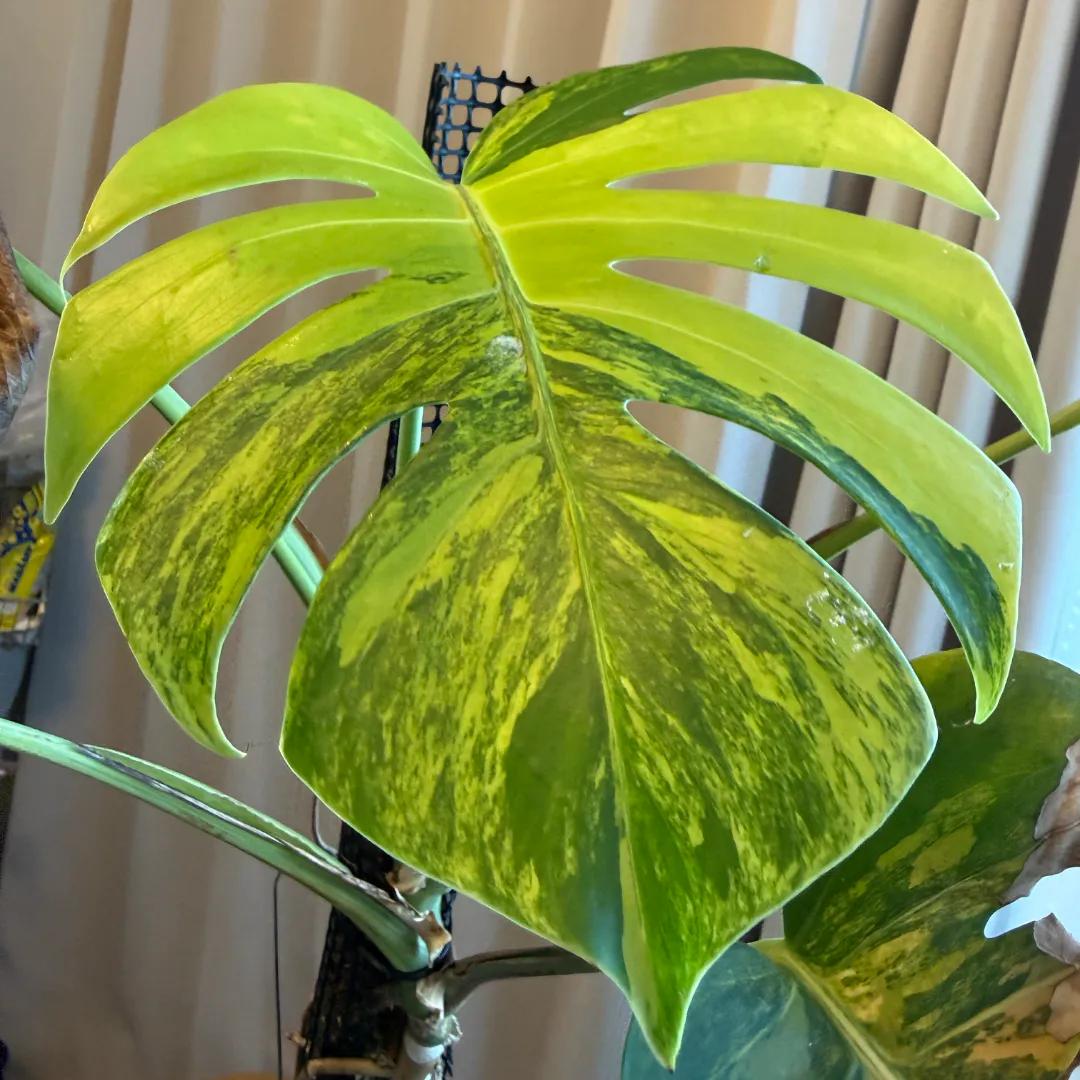
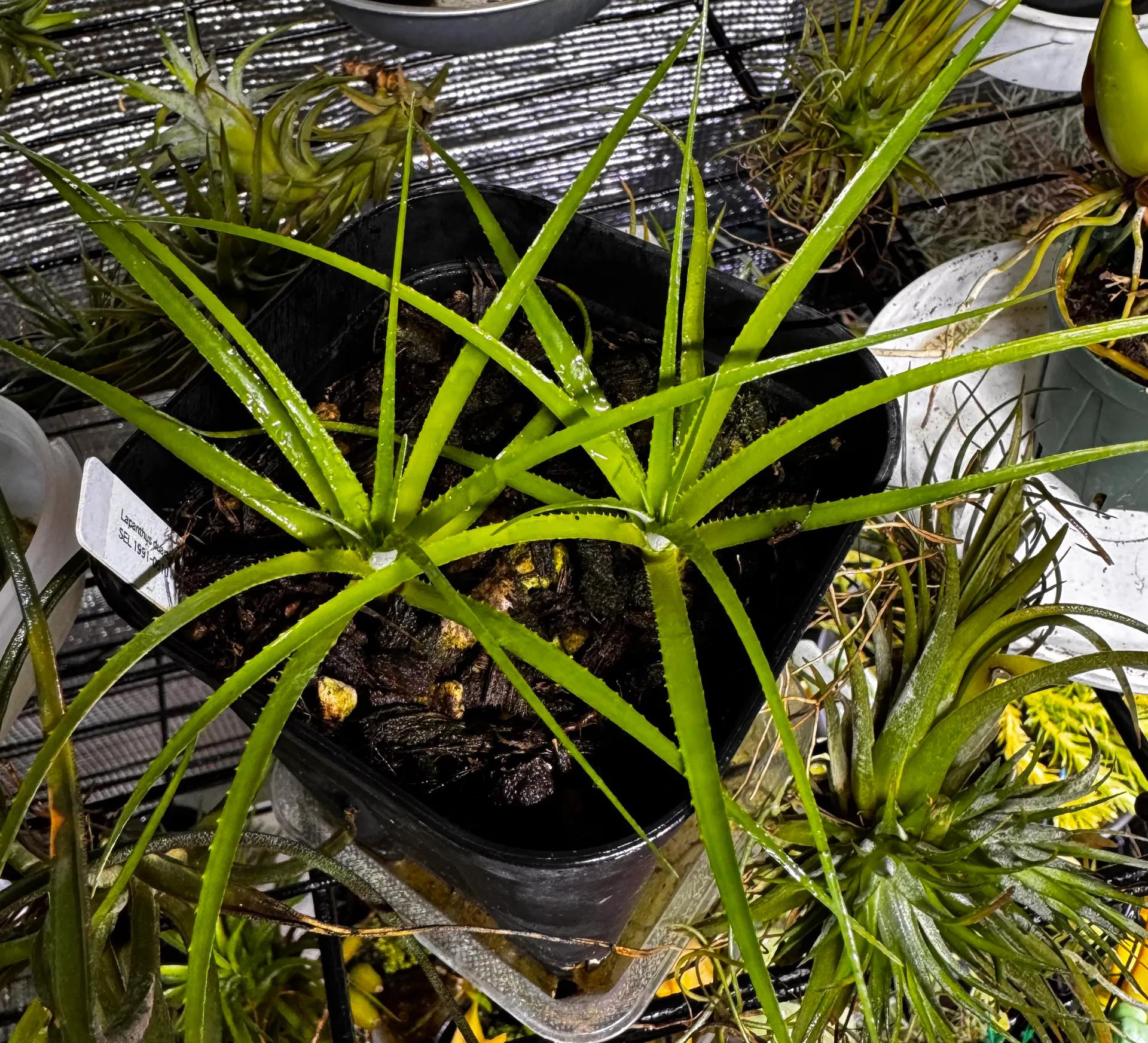
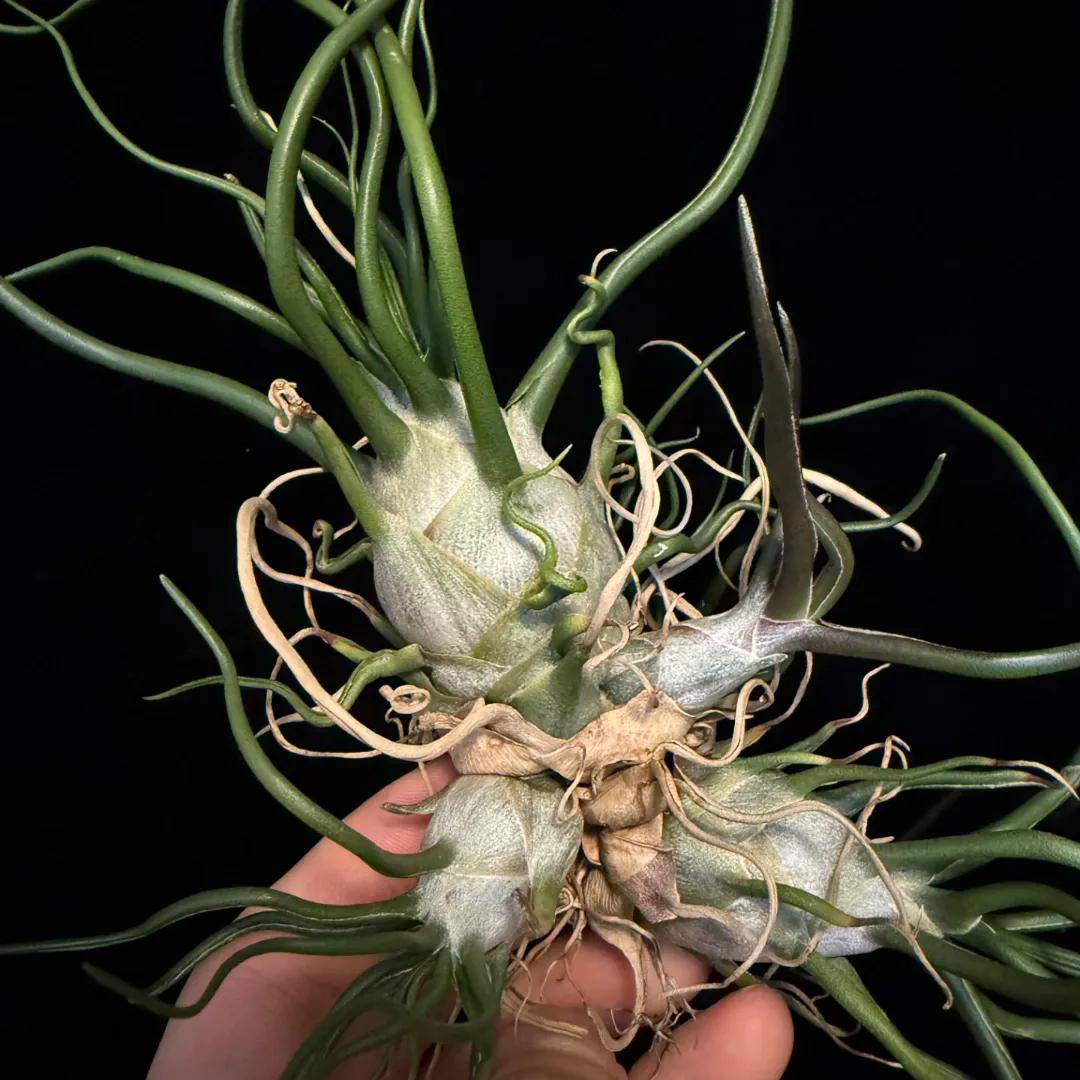
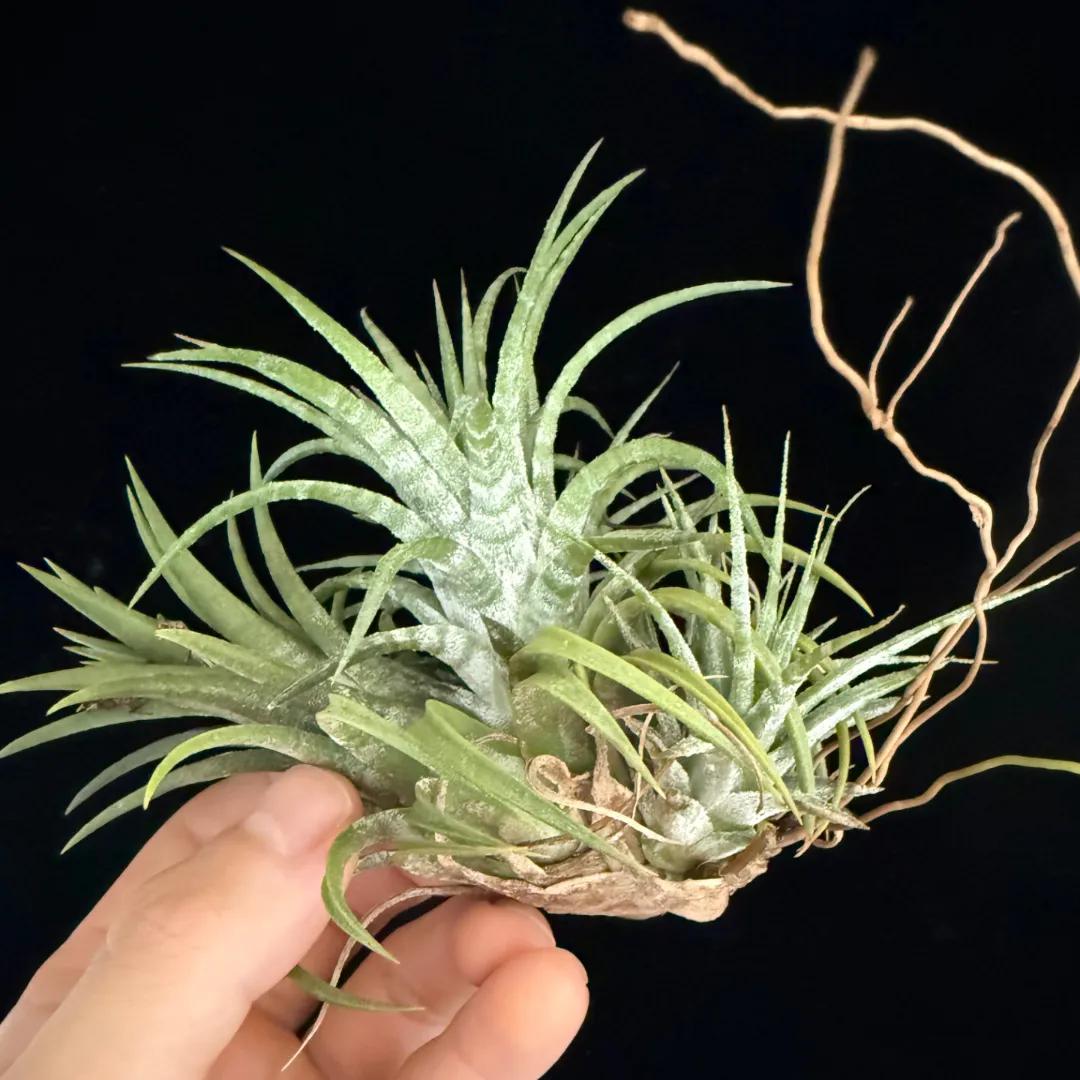
Species of the MonthAlocasia odora
Alocasia odora is a large evergreen perennial in the genus Alocasia (Araceae). It has a stout erect to decumbent stem and reaches 2.5 m tall, producing short stolons with tubercles at the base. The leaves are peltate (the petiole attaches inside the blade margin) and cordate-sagittate, up to 130 cm long and 100 cm wide, on petioles up to 1.5 m long. The inflorescence has a greenish white spathe, and the fruits ripen scarlet. It ranges from eastern India to southern China, Indochina, Borneo, Taiwan and southern Japan, where it grows in southern Shikoku, southern Kyushu and the Ryukyu Islands. All parts contain calcium oxalate, and poisoning has been reported from eating the rhizome after mistaking it for taro. Symptoms include nausea, vomiting, diarrhoea and numbness, and the sap can cause dermatitis on contact. Keep it away from pets and children.
Browse by Genus
View all genera →Browse by Conditions
Narrow down species by care difficulty, environment and altitude
Browse by Family
Encyclopedia Updates
View recently updated →Species with newly enriched descriptions, distribution and care data
- Alocasia macrorrhizosDescription・Distribution・Habitat・Care ・ 10/27
- Euphorbia tirucalliDescription・Distribution・Habitat・Care ・ 10/27
- Peperomia obtusifoliaDescription・Distribution・Habitat・Care ・ 10/27
- Goeppertia orbifoliaDescription・Distribution・Habitat・Care ・ 10/27
- Maranta leuconeuraDescription・Distribution・Habitat・Care ・ 10/27
- Dracaena concinnaDescription・Distribution・Habitat・Care ・ 10/17
Browse by Classification
How this encyclopedia is made
Scientific names, distribution and care data are compiled from primary sources such as academic databases, and every entry is reviewed by a person before publication.
About Classification SystemHierarchical classification structure of plants
Family
A group of genera with common characteristics. Family names are usually expressed in the form "~aceae".
Genus
A taxonomic unit that groups closely related species. The first part of the scientific name is the genus name.
Species
The basic unit of biological classification. The scientific name consists of two parts: the genus name and the specific epithet (binomial nomenclature).