About Asparagaceae
Asparagaceae is a monocot family in the order Asparagales under APG IV, with more than 120 genera and about 3,000 species. It occurs on every continent except Antarctica, in habitats ranging from deserts to forests. APG IV treats the family in a broad sense that unites groups formerly placed in Liliaceae, Agavaceae and other families, so its members range from succulent rosette plants and tree-like woody forms to herbs with rhizomes or bulbs. Genera grown as ornamentals or crops include Agave, Yucca, Dracaena, Chlorophytum and Asparagus.
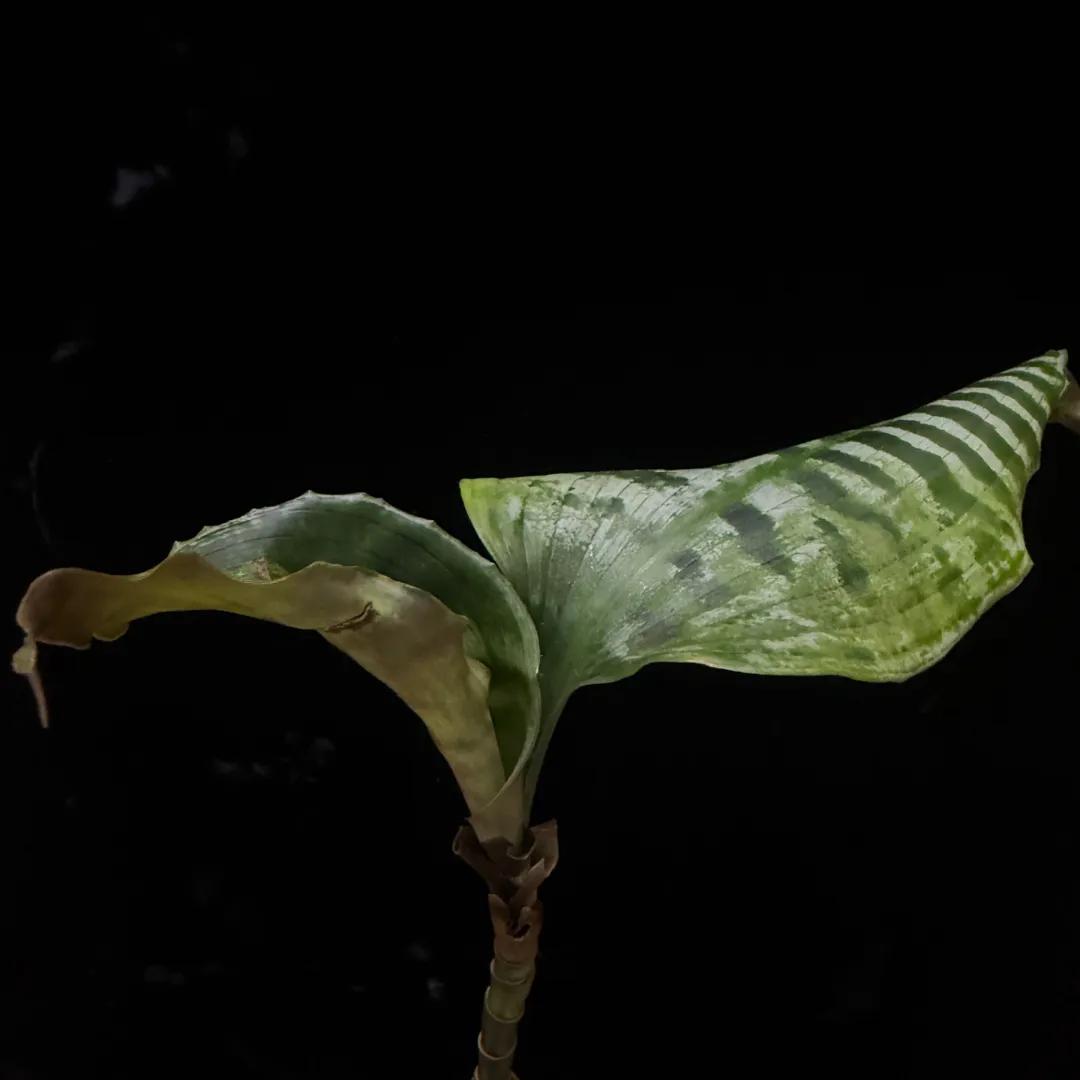
Dracaena is a genus of about 200 species in the subfamily Nolinoideae of Asparagaceae, native mainly to Africa, with others in southern Asia, northern Australia, Hawaii and Central America. It includes tree-like species with woody stems, such as the dragon tree Dracaena draco, and stemless species that spread by rhizomes and bear stiff, fleshy leaves. Plants of the World Online includes the former genera Sansevieria and Pleomele in Dracaena, based on molecular studies, although some databases still keep Sansevieria separate. Species grown as houseplants include Dracaena fragrans, Dracaena trifasciata and Dracaena sanderiana.
Agave is a genus of about 270 succulent species in the subfamily Agavoideae of Asparagaceae, a count that includes the former genera Manfreda and Polianthes. It ranges through the dry regions of the Americas from the southwestern United States through Mexico to Central America and the Caribbean, with Mexico holding the greatest number of species. Plants form rosettes of thick, rigid leaves armed with marginal teeth and a sharp terminal spine, and most species flower only once, sending up a tall flowering stalk after which the rosette dies. Species grown as ornamentals include Agave americana, Agave victoriae-reginae and Agave titanota.
Scientific Name
Asparagaceae