About Araceae
Araceae, the arum family, is a family of monocots placed in the order Alismatales under APG IV, with about 140 genera and more than 3,700 species. It occurs worldwide with its greatest diversity in the tropics, especially those of the Americas. The family is recognized by its inflorescence, a spadix of tiny flowers usually enclosed by a spathe. Growth forms range from terrestrial herbs to climbers, epiphytes and free-floating duckweeds. The tissues contain calcium oxalate crystals, so raw stems and leaves can irritate skin and mouth. Monstera, Anthurium, Philodendron and Zamioculcas are widely grown as foliage plants, and the family also includes food crops such as taro (Colocasia) and konjac (Amorphophallus). Under APG the duckweeds, formerly Lemnaceae, are included in this family.
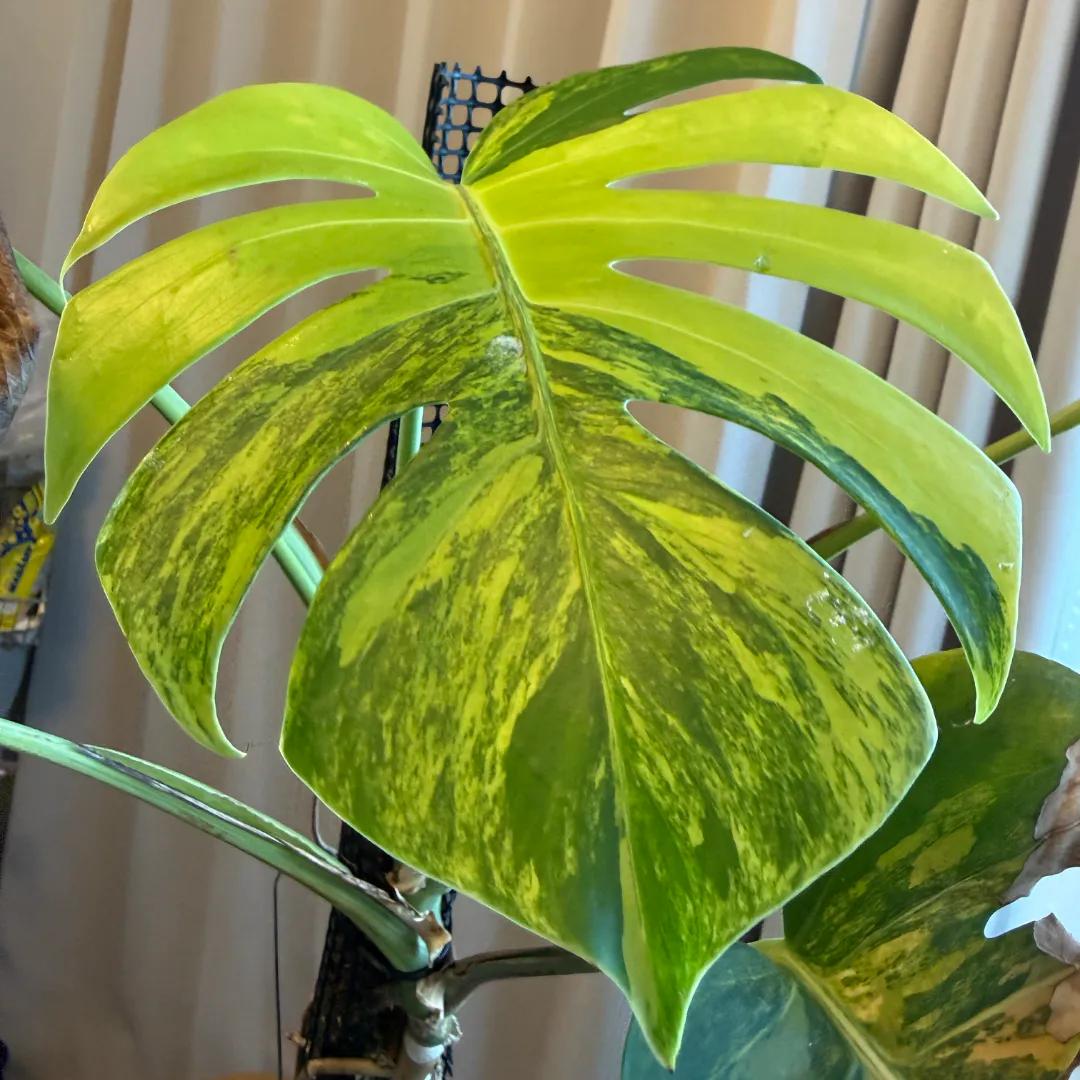
Monstera is a genus in subfamily Monsteroideae of the arum family, with about 60 to 70 species native to the tropics of Central and South America. They are hemiepiphytic vines that root in the ground and climb trees with aerial roots, and mature leaves develop the holes and splits the genus is known for. Leaves and stems contain calcium oxalate and are irritating if eaten, except for the ripe fruit. Monstera deliciosa and M. adansonii, the Swiss cheese plants, are among the most widely grown foliage houseplants.
Anthurium is the largest genus of the arum family, with about 1,000 species. It ranges from Mexico to Argentina and the Caribbean, and most species are epiphytes. The inflorescence consists of a spadix surrounded by a spathe, which is bright red or pink in the cultivated species. All parts contain calcium oxalate and are irritating if eaten. In horticulture A. andraeanum and A. scherzerianum are grown for their colorful spathes, while A. clarinervium and A. warocqueanum are grown for their velvety foliage.
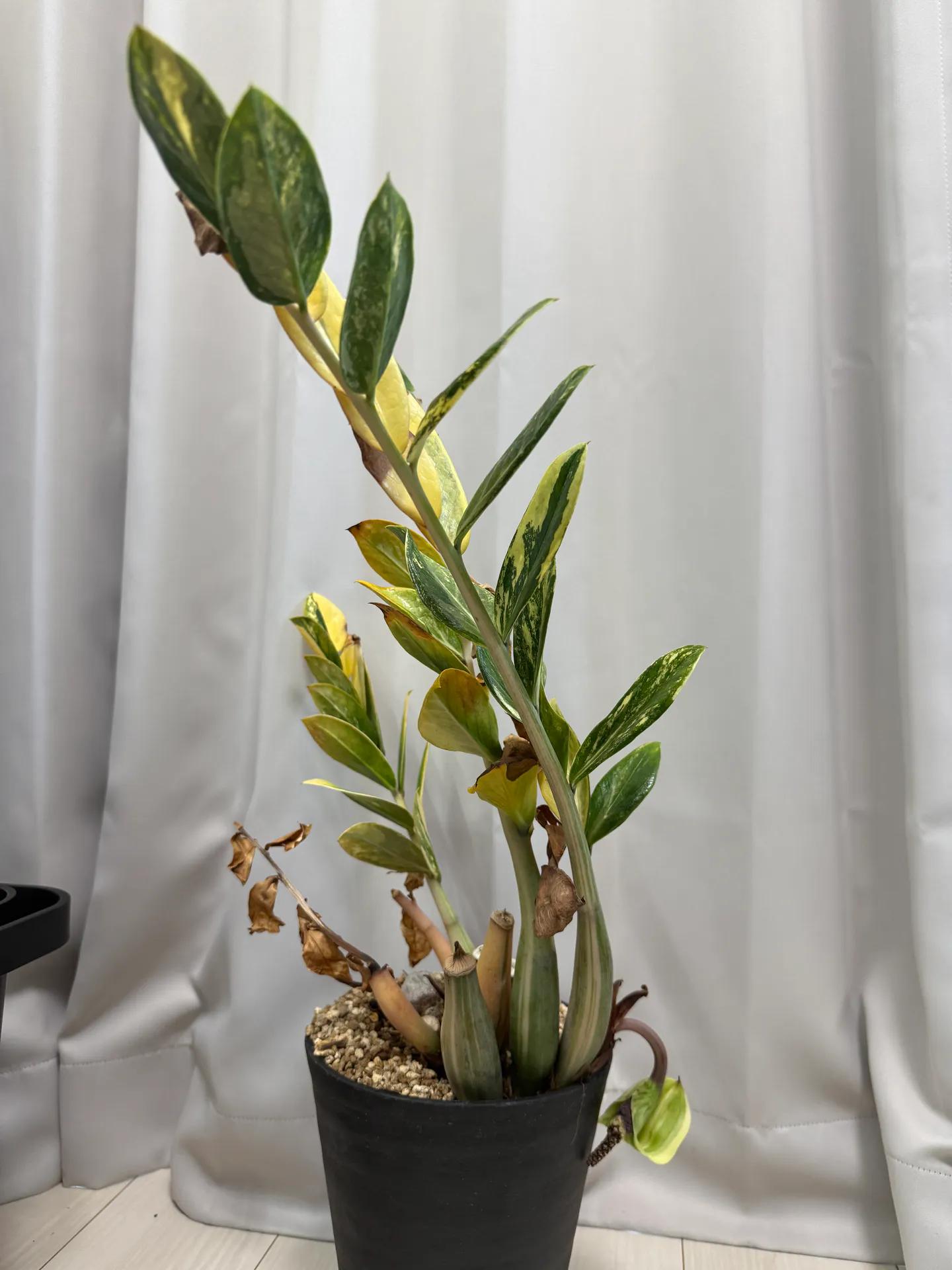
Zamioculcas is a genus of the arum family with a single species, Zamioculcas zamiifolia, native to eastern Africa from Kenya to northeastern South Africa. It is a succulent perennial with a tuber-like rhizome, thick water-storing petioles and glossy pinnate leaves, tolerant of drought and low light. All parts contain calcium oxalate and are poisonous. It is widely grown as a houseplant, known as the ZZ plant, and the dark-leaved cultivar 'Raven' is also in cultivation.
Genera without registered species (11)